
tien shan



About Kyrgyzstan
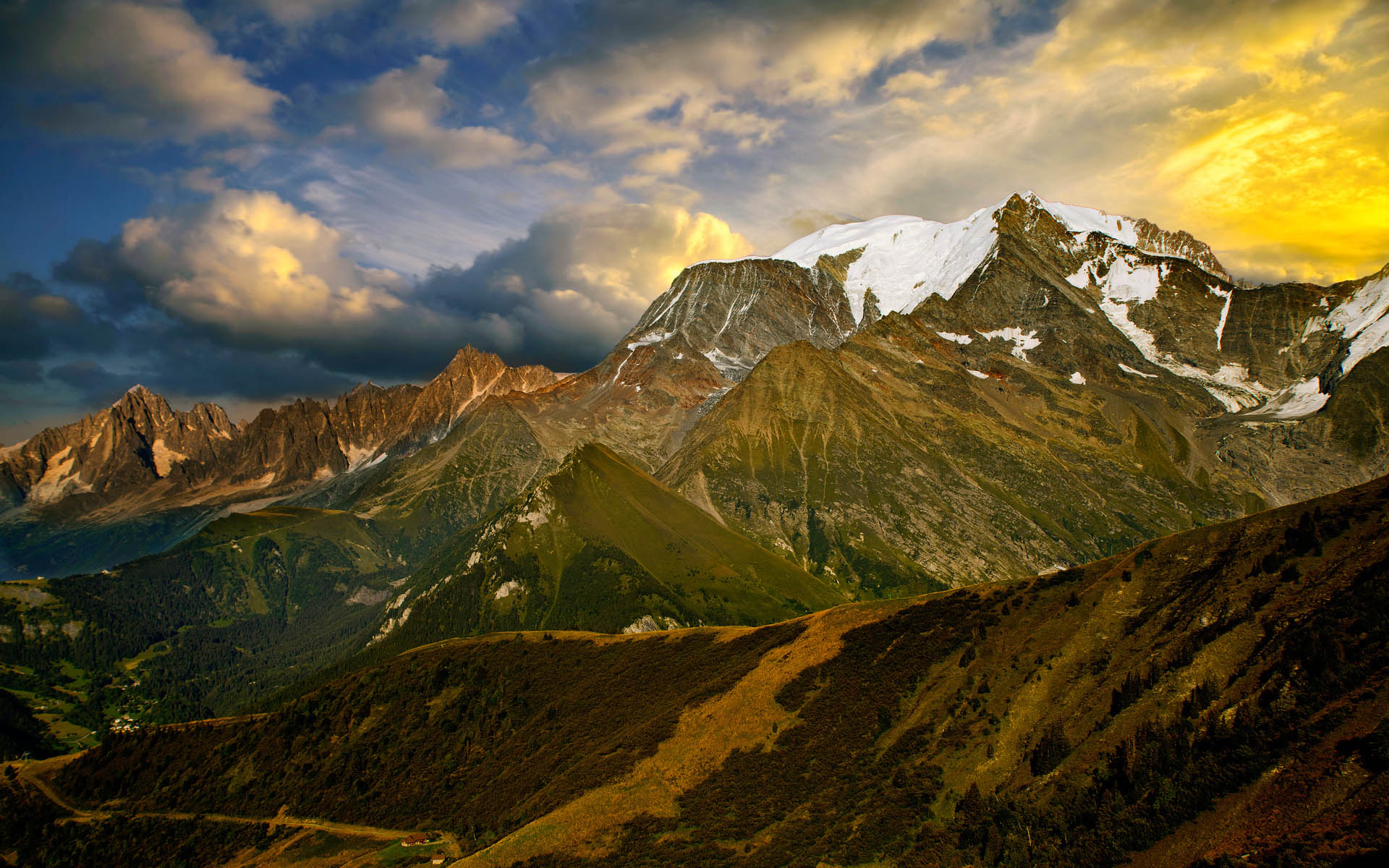
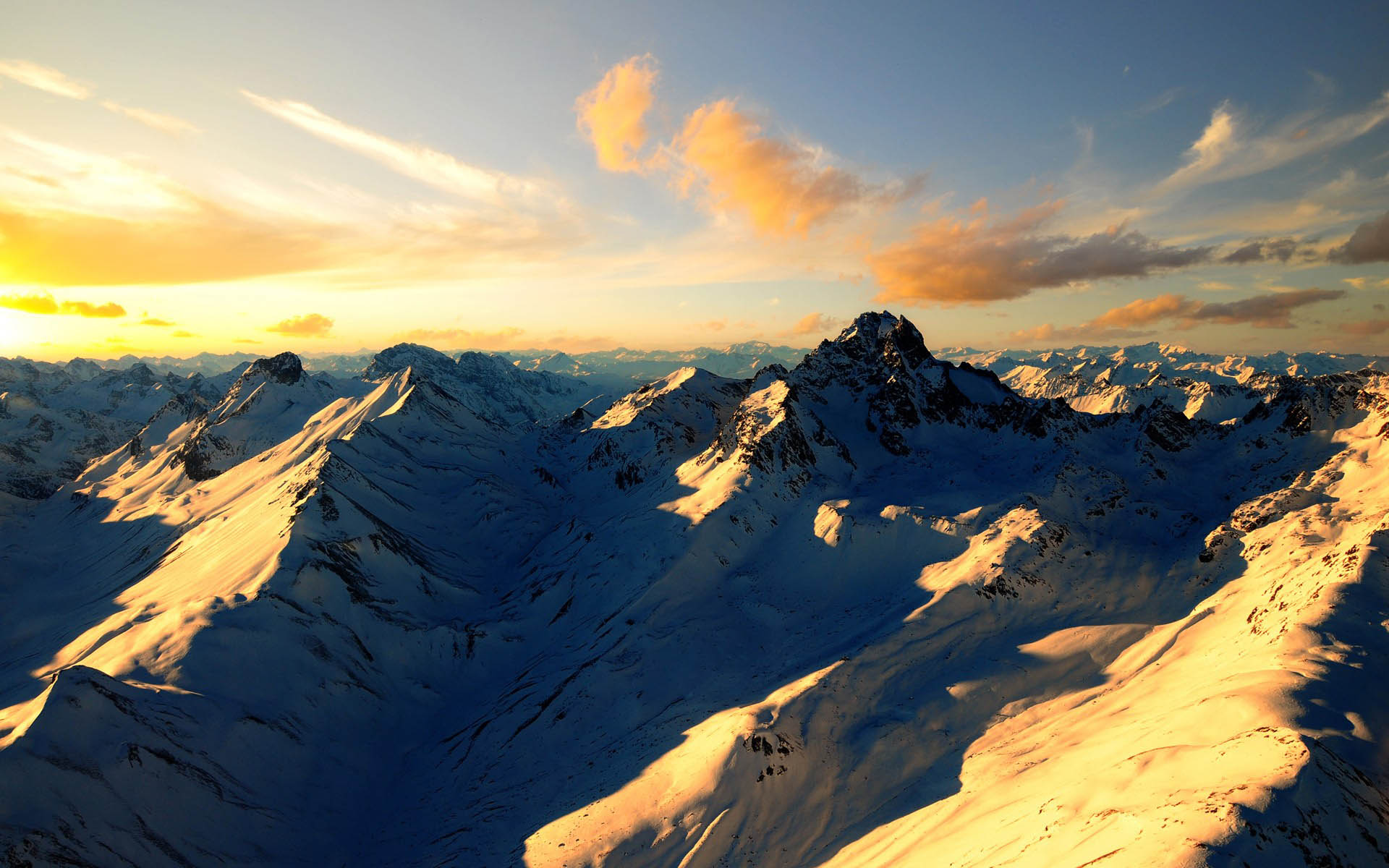
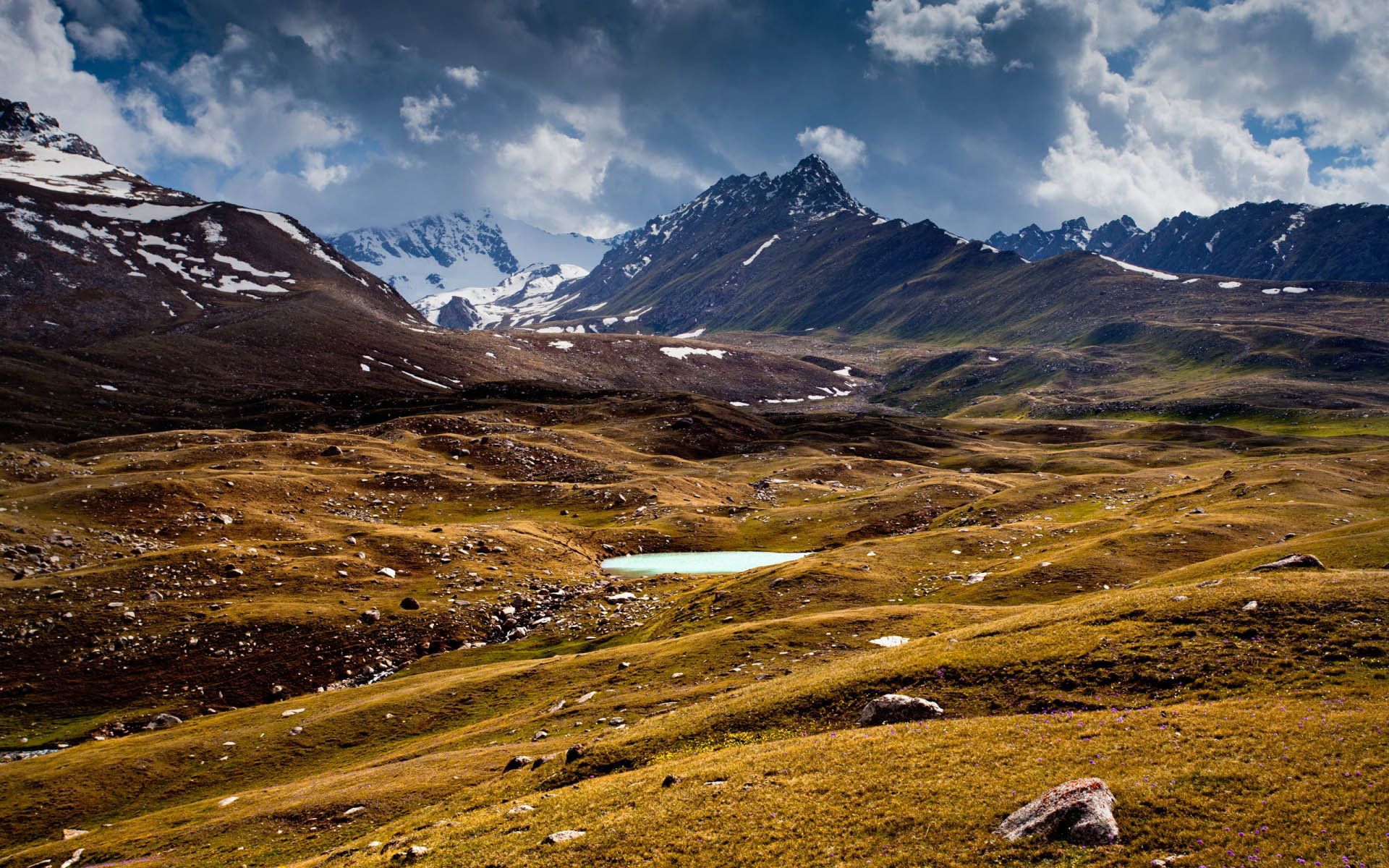
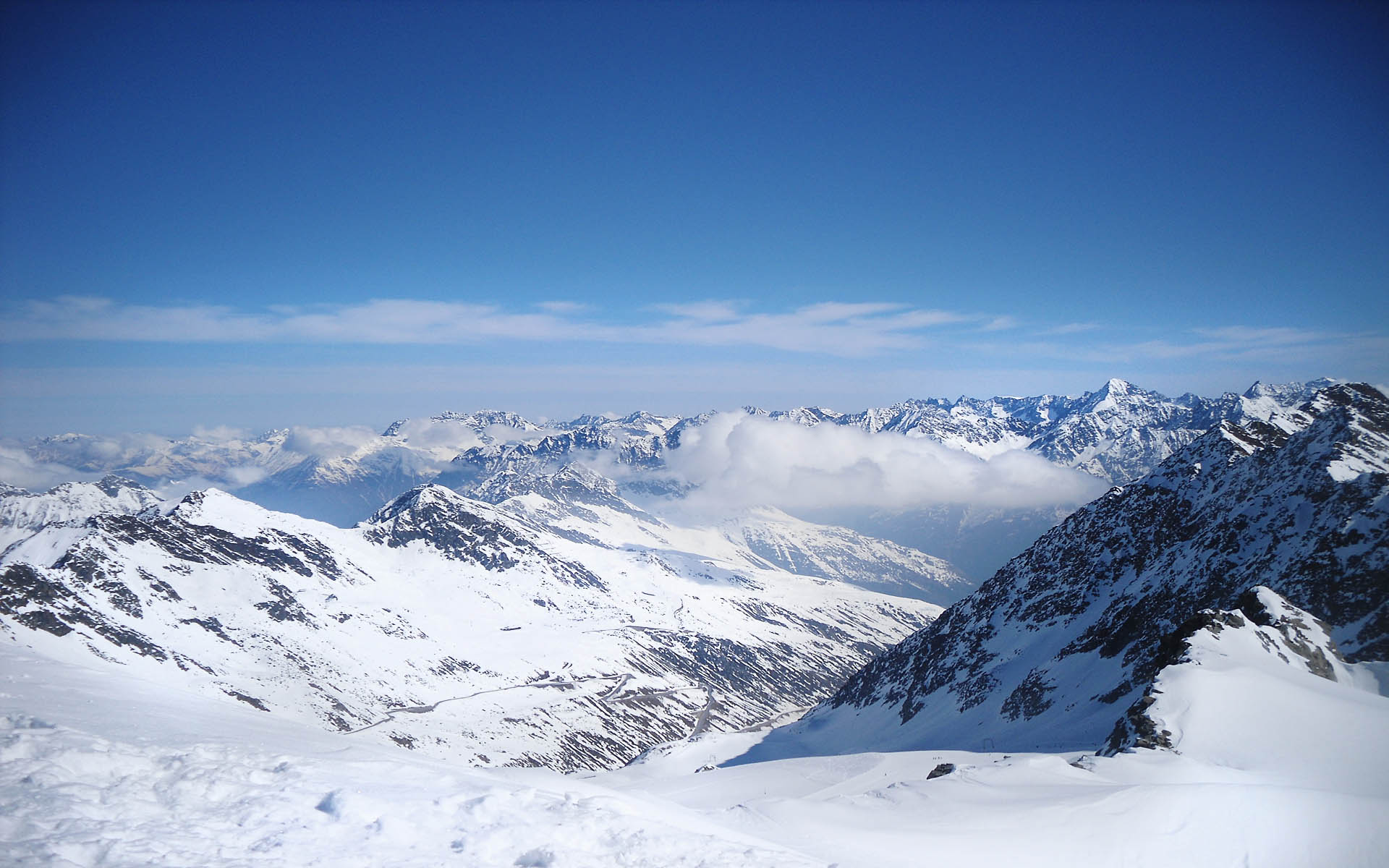
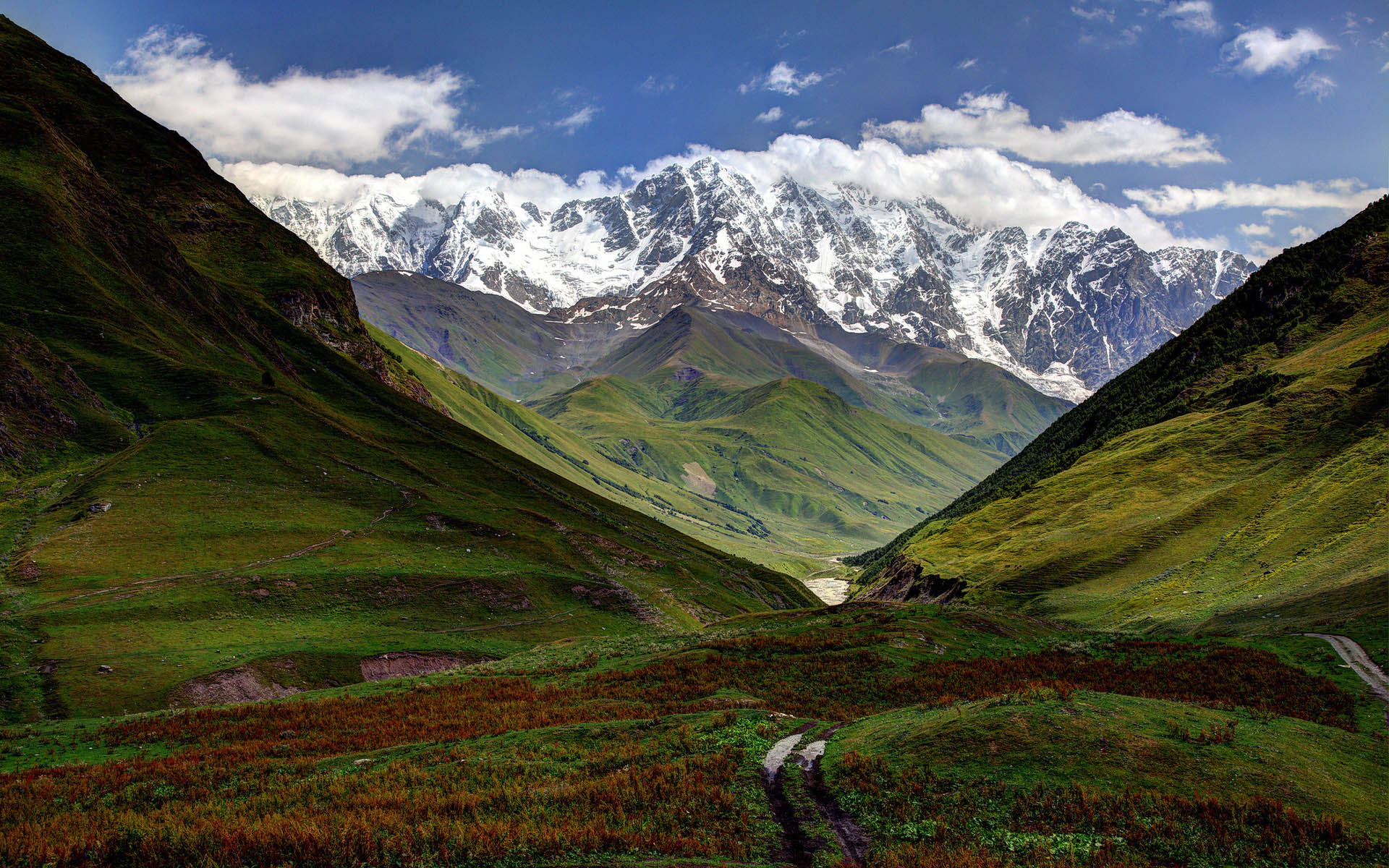
The Kyrgyz Republic is located on north - east of Central Asia, part of Tian-Shan and northern chains of Pamirs – Alay. Borders pass mainly on natural boundaries - on crests of high mountain ridges and the rivers, only in some places they fall on plains of Chuy, Talas and Fergana valleys.
From three sides: from the North, West and the South, it borders with republics of the former Soviet Union; from the east and the southeast - with the Chinese National Republic (extent of border is 1049 km). Total length of Kyrgyzstan borders is 4503 km; the area is 199.9 thousand of square kilometers.
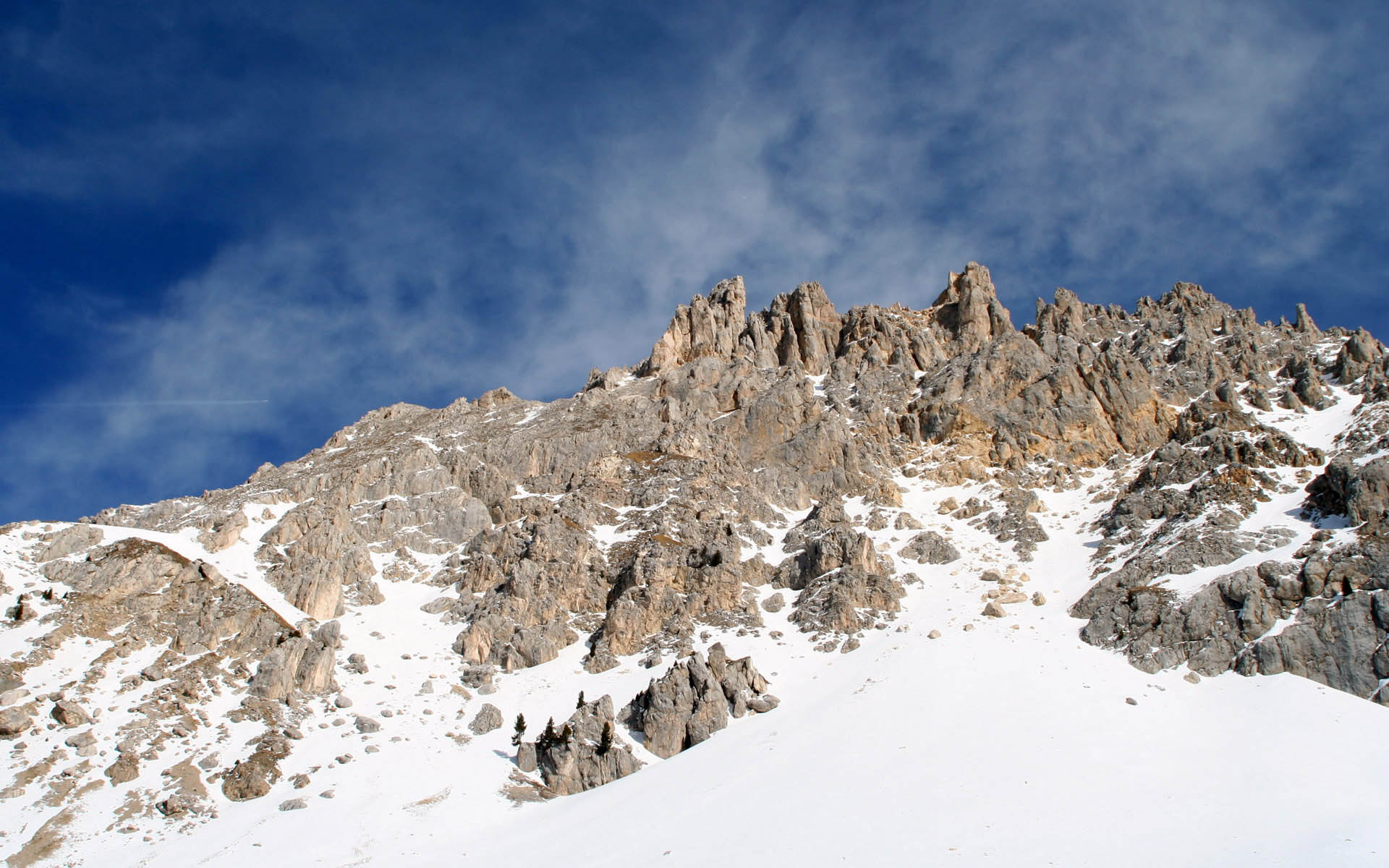
The territory of the Kyrgyz Republic is stretched from the West to the east for 900 km., from the north to the south for 410 km. and located approximately between 39 ° and 43 ° northern width. Most high part of territory of republic is on its east side. The highest points of all Tian-Shan range - Pobeda Peak (7439 m) and Khan Tengri (6995 m) tower here, in mountain knot, bordering with China. Fanlikely ridges disperse to the West and the southwest from here, creating the isolated parallel chains stretched, mainly, in latitudinal direction for 300 - 400 km. The highest Chon-Alay (Trancealay) ridge on republic’s extreme southern border with Tajikistan where Lenin Peak (7134 m) the second top for height in Kyrgyzstan is allocated.
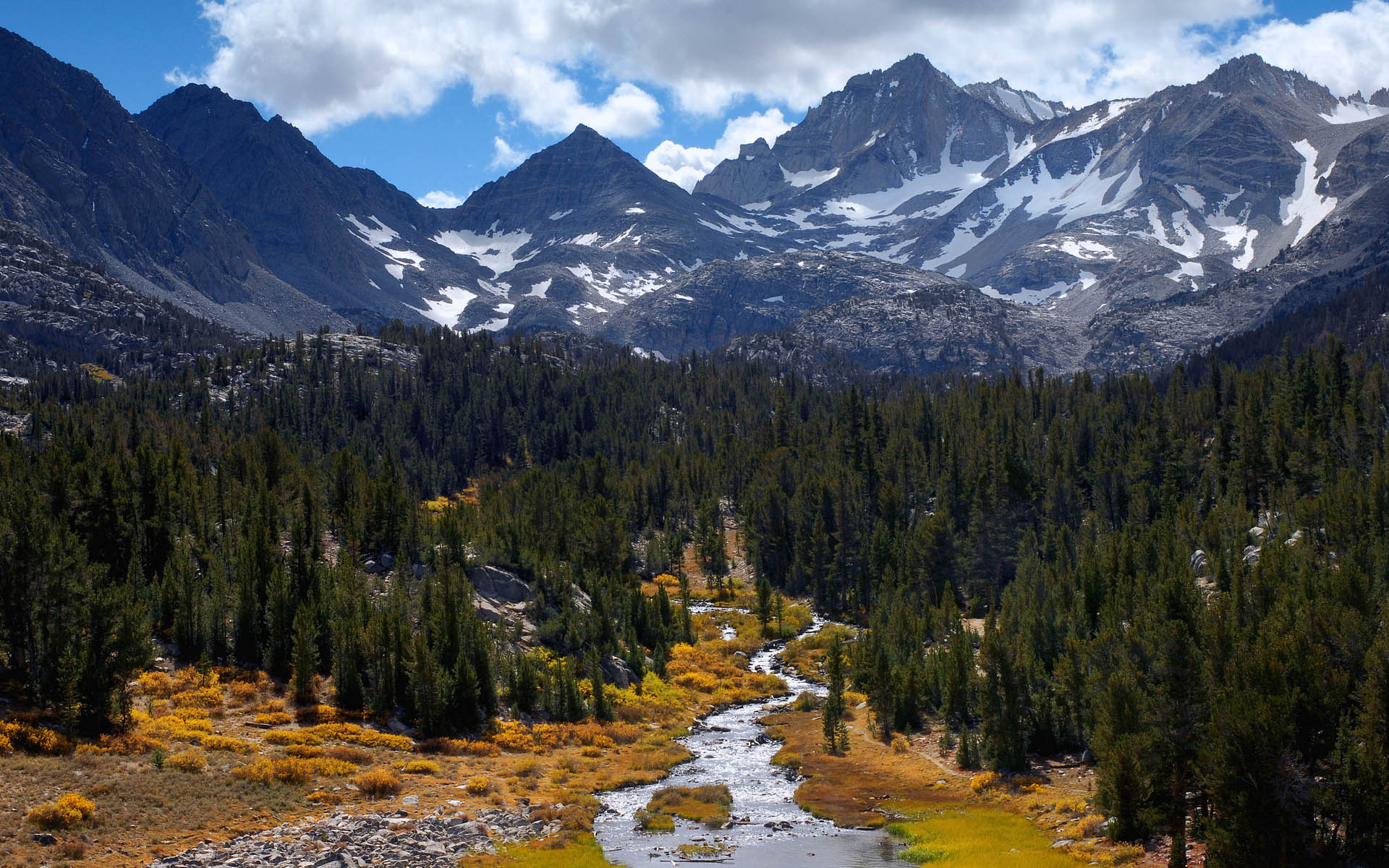
The difficult structure of a mountain relief and diversity of ecological conditions have caused the big variety of a soil-vegetative cover and fauna of Kyrgyzstan. There are deserts, steppes, meadows, woods, and thickets of bushes, bogs, mountain tundra and other types of vegetation on its territory.
The Kyrgyz Republic has a huge stock of water resources. There are more than 28000 rivers and sources in 7 greatest river pools, 90% of which have length of 10 km. There are rivers with a high water level among them. For example, the Naryn river with length more than 500 kilometers.
There are more than 2000 lakes and artificial water basins in Kyrgyz Republic. Lakes occupy 3,4 % of its territory. About 90 % of them are high-mountainous dams and the closed lakes. Sary Chelek is located on a southwest slope of the Chatkal ridge, at the altitude of 1873,9 m above sea level, and is biosphere reserve.
The high-mountainous Issyk Kul Lake is located in Tian Shan Mountains, in the bottom of a huge tectonic hollow, at the altitude of 1606.7 m above sea level. The lake is surrounded by Teskei Mountains on the south and by Kungei Ala Too on the north. The Issyk Kul Lake differs from other lakes with geographical, climatic and hydrological conditions. Lake’s form reminds a trapeze turned by the basis on the north. By last researches, the length of lake is equal to 178 km, width - 60,1 km; the area - 6236 of square kilometers, length of a coastal line is 688 km, the maximum depth is 669 m, average depth is 278,4 m. Lake is inconceivably beautiful. Therefore it is named as "the Pearl of Kyrgyzstan". A big transparence and the bright sun change colour of water of Issyk Kul Lake from gentle-blue to dark blue colors. During winter time water temperature is +4,2 - +5,0 °C. In July and August the top layer of water heat up to +18 - 24°C. Kyrgyzstan one of the greatest regions with a system of modern mountain glaciers; their total area occupies 8100 of square kilometers or 4,2 % of territory of Republic.
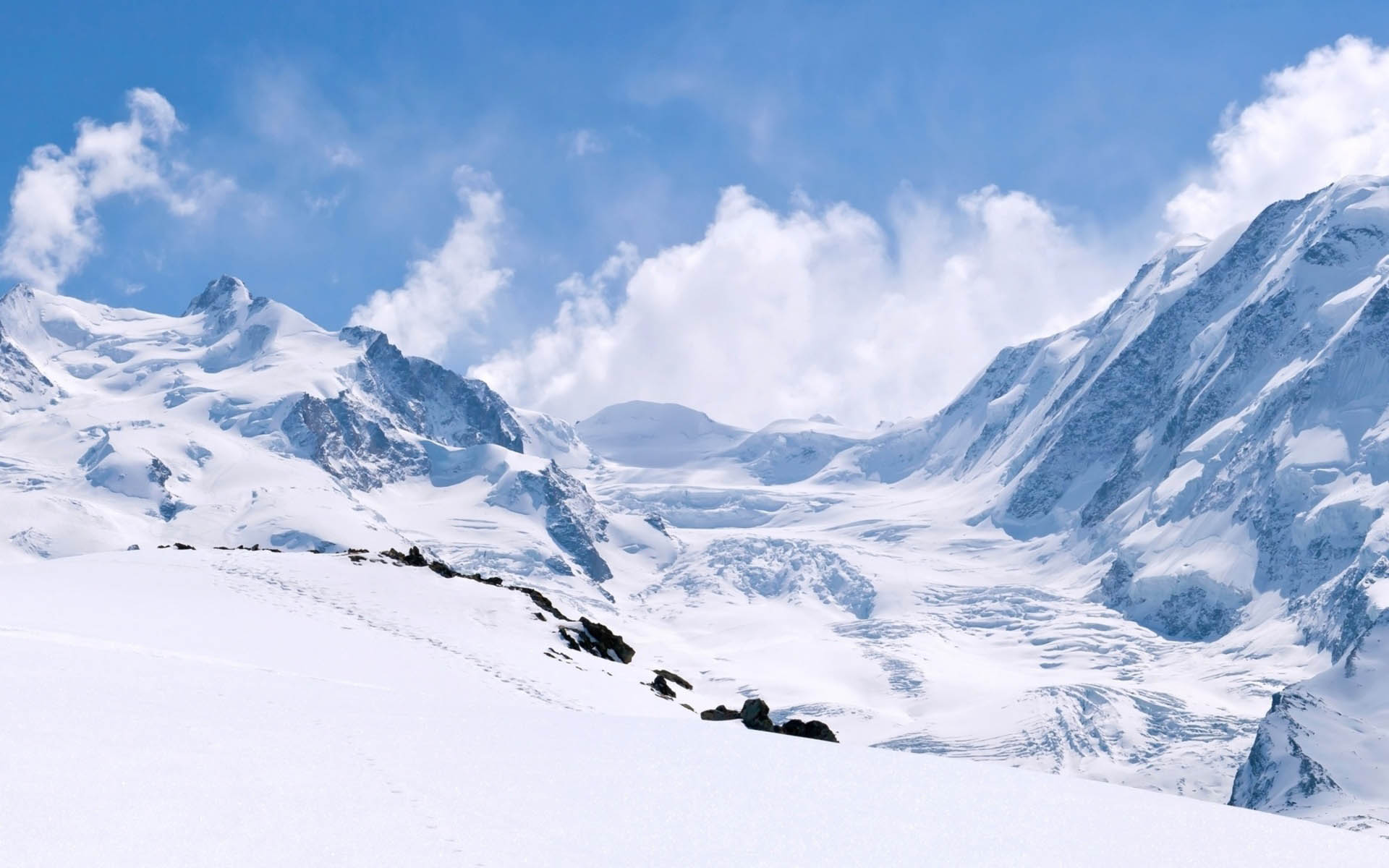
3 of 4 parts of glaciers total area belong to Syr-Darya and Tarim rivers basin, their main centers are located in the far West. The greatest valley of glaciers (Southern Enilchek, with length of 60,5 km. Kaiyndy - 29,0 km), and also Teskei Ala Too, Kakshaal-Too, Ak-Shairyk and Chon-Alai mountains are located in the Sary-Jazz basin. There are some glaciers with flat tops in Tian-Shan Mountains. Fresh water recourses make approximately 650 billion of cubic meters that is equal to 12 river resources of whole republics.
The population: The population makes 5 000 000 people (August 27, 2002), average population density is nearby 25 people per one sq. km. More than a half of whole population of the country are Kyrgyz (64,9 %), Uzbeks - 13,8 %, Russians - 12,5 %, There also Ukrainians, Tatars, Germans, Kazakhs, Uigurs, Tadjiks, Turkeys and Dungans live in the country. The State language is Kyrgyz; the Russian has the status of official language. The majority of citizens of the country practice Islam (Sunnism), there are also Christians (basically orthodox) among believers. Birth rate is 19,7 newborns on 1000 people (2000). Death rate is 6,9 deadly outcomes on 1000 persons (level of children's death rate is 22,6 deadly outcomes on 1000 newborns). The able-bodied population makes 1.911.400 people.
The climate: It is hot summer in Kyrgyzstan, winter is cold enough (especially in mountains), there is a big contrast of seasonal both daily temperatures and very motley distribution of precipitations. It is more warmly in Fergana valley, July temperature in Bishkek is up to 40°C. The average temperature in January is 15°C (it is warmer in valleys, in mountains it is up to 28°C). There is a lot of snow in mountains in the winter. Plentiful precipitations fall in the western part of the country in the winter up to 1.500 mm a year, on uplands of Tian-Shan it is only 200-400 mm, mainly in the summer.
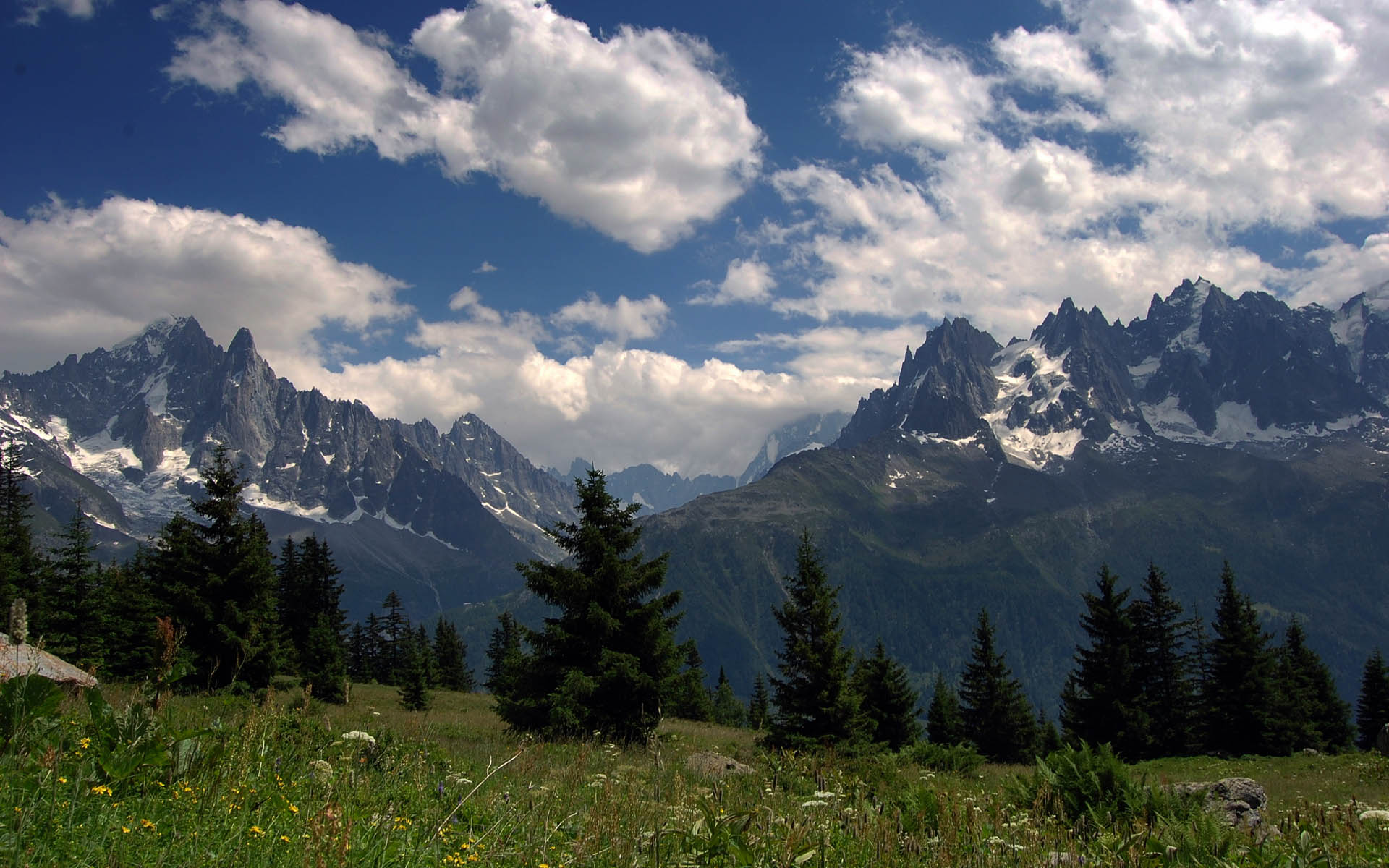
Flora: Among flora of Kyrgyzstan there is not less a quarter of kinds of endemics (do not grow anywhere else). The fur-tree, a walnut, a fir, junipers grow in mountain woods of Tian Shan. High mountains are occupied with rich Alpine short grass.
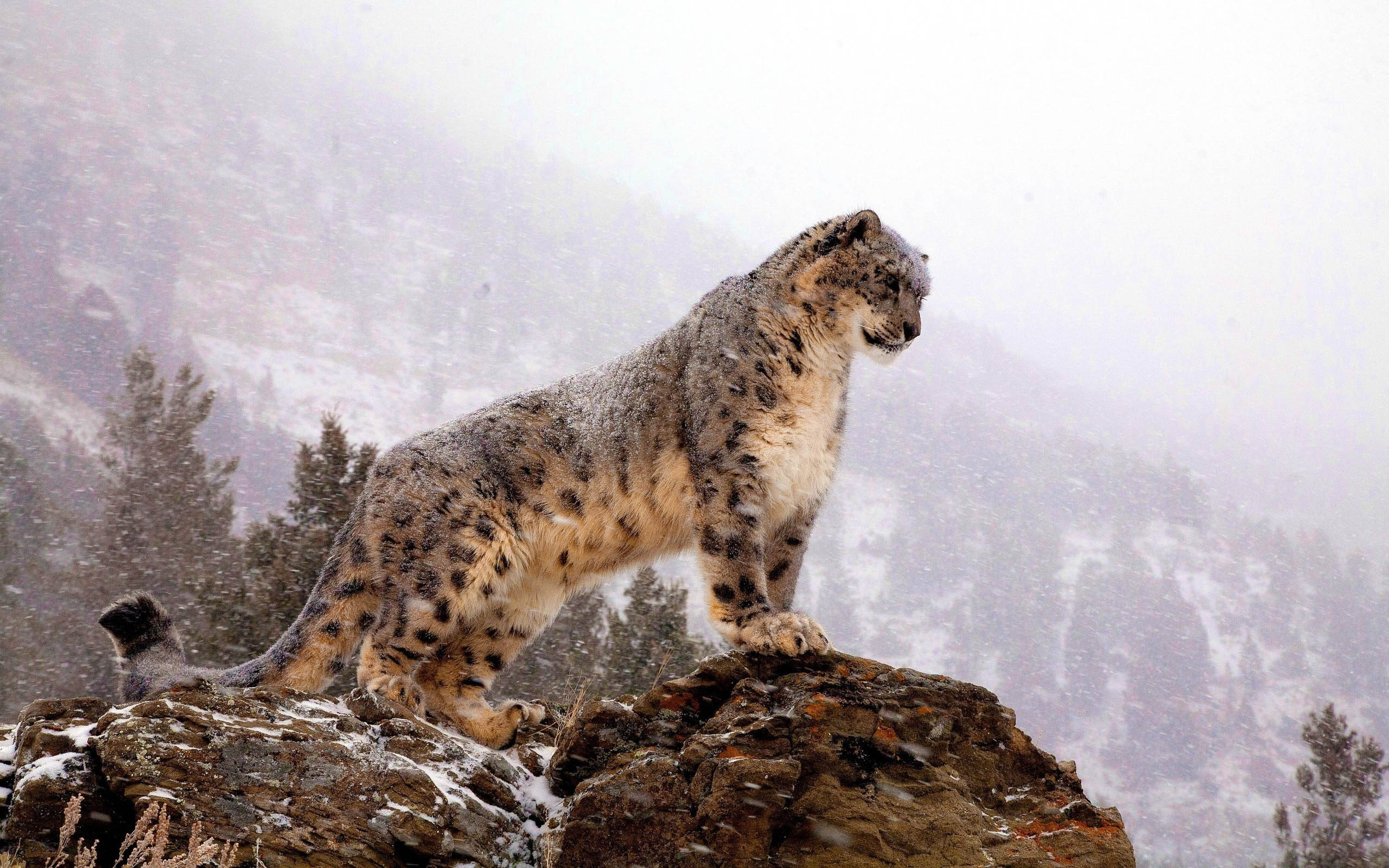
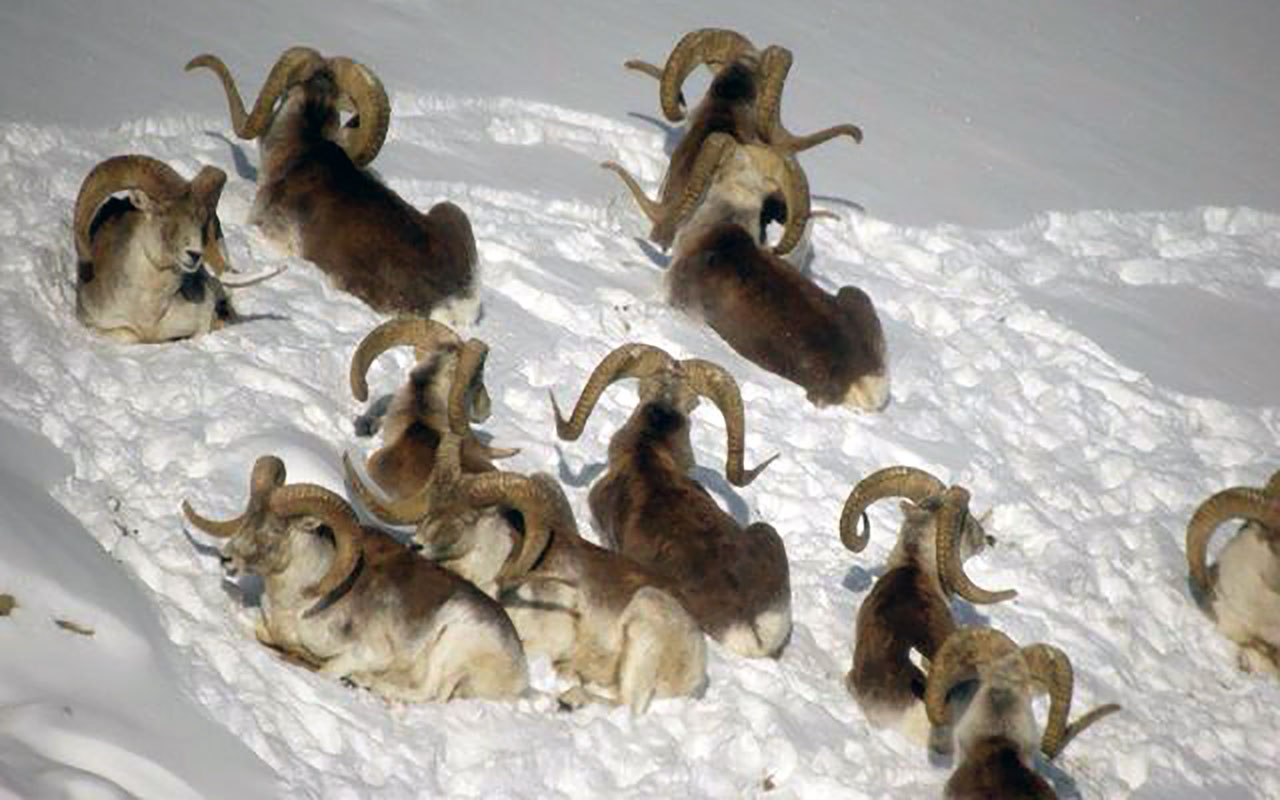
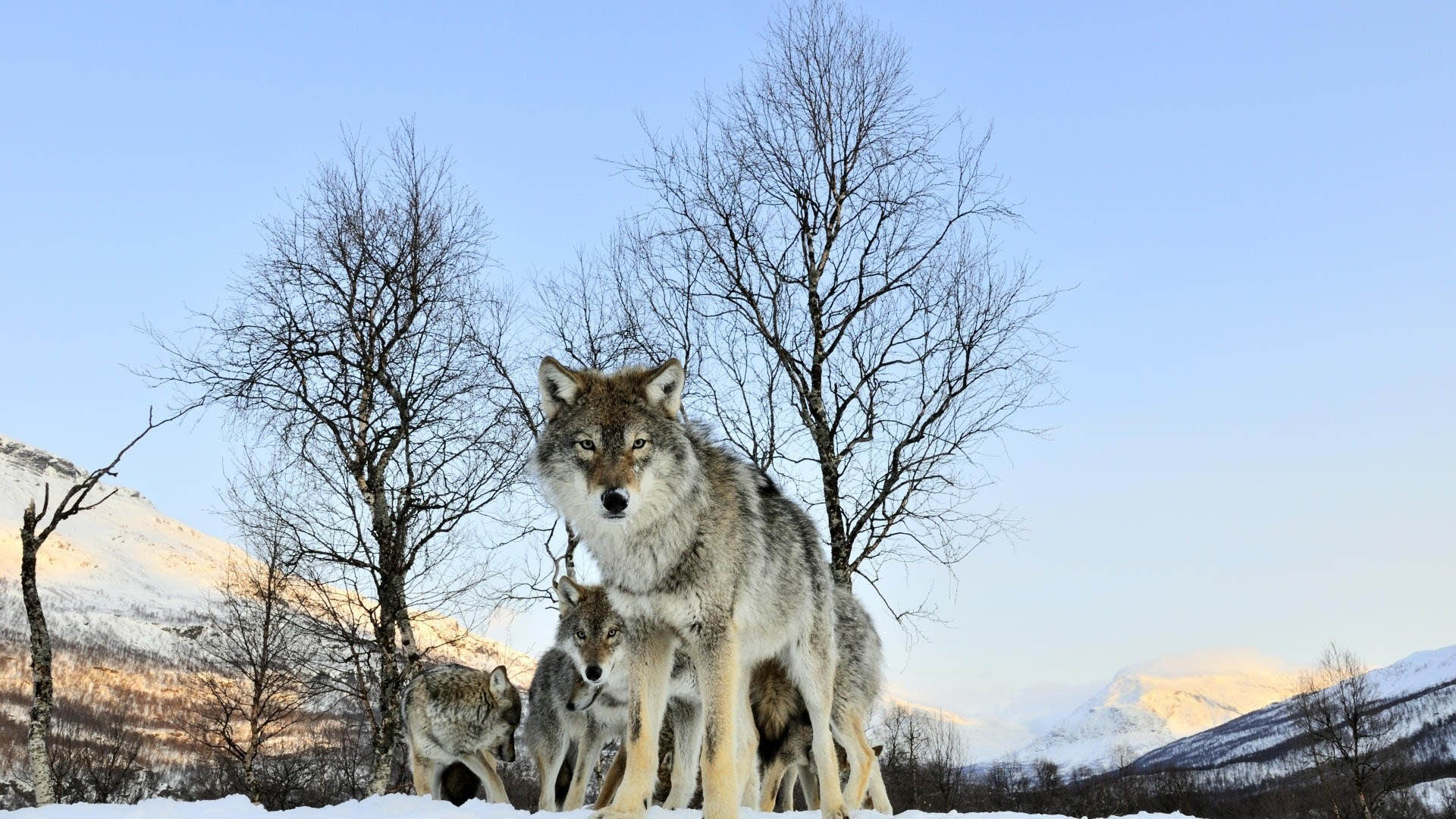
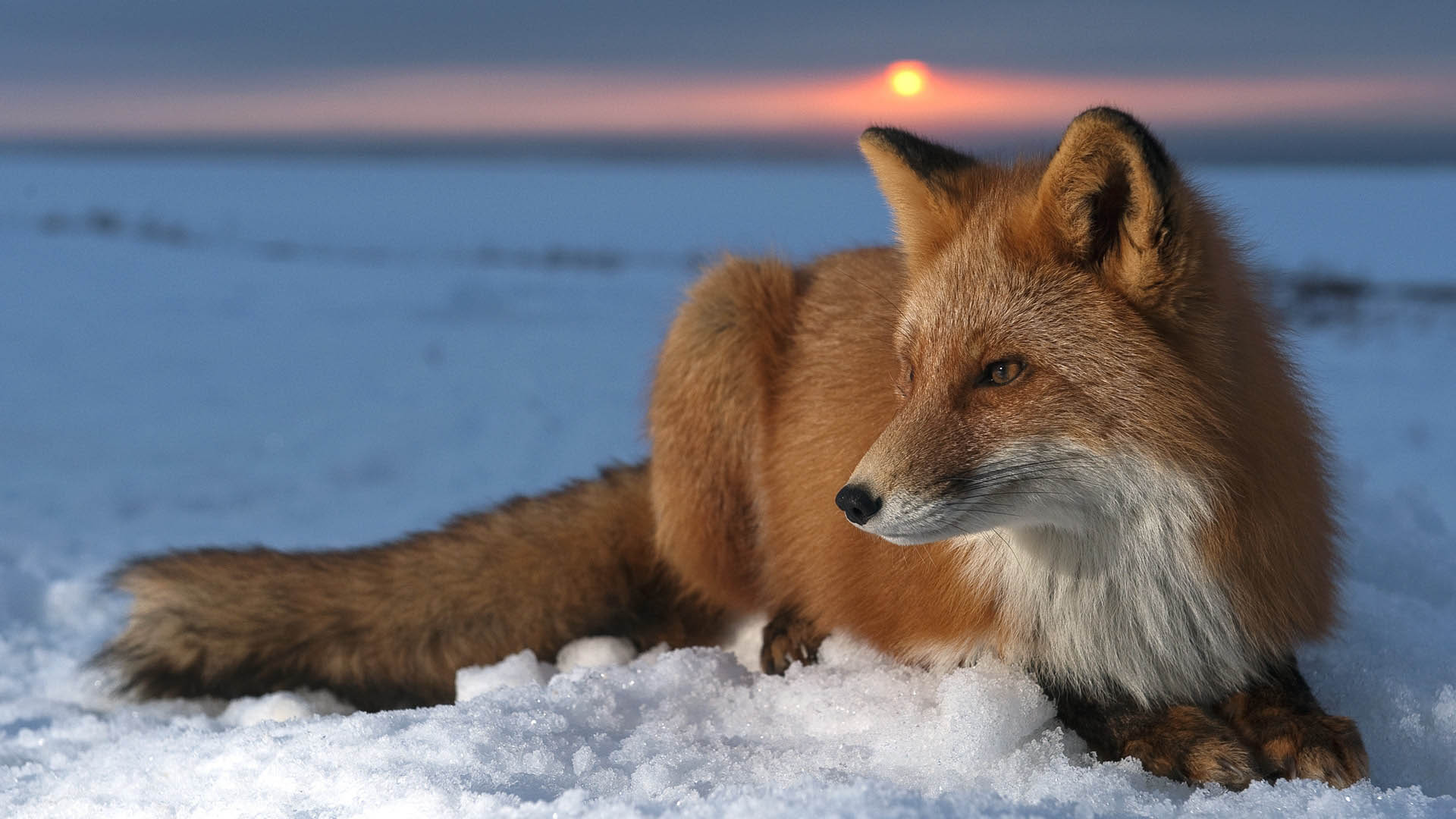
Fauna: The fauna is various according to a landscape. The bear, a lynx, a wolf, a badger, an ermine, a marten, roe, a hare, kecklik, a goat, a Marco Polo sheep live in mountains. You may see a little bustard, bustard, an eagle, a signature stamp, a hawk, a rare mountain turkey - ular.
State system: A full name of country is the Kyrgyz Republic. Its political system - republic. The country is divided into 7 areas. Capital city - Bishkek. Kyrgyzstan has received an independence in 1991 after disintegration of the USSR (before the Kyrgyz Soviet Socialist Republic). The 31st August is national holiday - Independence Day. The executive power belongs to the president (head of the state) and to the government led by the prime minister. The legislature is carried out by a two houses parliament – Jogorku Kenesh (Supreme Council).
The history of state emerging: In 1825 on territory of present Bishkek by order of Kakan khan fortress Pishpek was constructed there. Then, in 1862 it was occupied by Russian army. There was founded a little settlement which became a chief town of a uyezd in 1878. In 1887 there were only 6.6 thousand of inhabitants in a city. Pre-revolutionary Pishpek more resembled dirty and dusty village with mud houses, only in the centre there were wooden and brick buildings. Intensive development of a city has begun after October revolution after an establishment of the Soviet power. In 1926 Pishpek was renamed into Frunze in honor of the known revolutionary, the military man and statesm M. Frunze who was born in this city. By the way, "Frunze" is translated from Moldavian as "green leaf". After developing the Frunze became one of the greenest cities in the USSR.
Bishkek: Modern Bishkek is administrative, economic, cultural and scientific centre of republic. Its population is about 1 million people. The city plan has historically developed rectangular structure of the streets that promote a good airing of city territories by cool southern winds, flowing down from mountains at night. The architectural view of a city was considerably transformed in last decades. The tourists arriving to Bishkek by the plane can se the Manas airport building with new spacious and rich with decorative furniture and interiors. These are original air gates of the republics. The tourists coming to Frunze by buses will be met by a new building of road service station. There are institutions, universities and theatres in the city. They are concentrated on rather small territory and everyone can bypassed them for a short time. It is the Kyrgyz state opera and ballet theatre of A. Moldybaev, on to Sovietskaya Street; Russian theatre of N. Krupskaya and the Kyrgyz state drama theatre, located in the central park zone. The central park is an original museum of sculptures outdoors. Sculptures made from a stone, metal or wood are located one by one or in groups along park avenues, paths, and sometimes among trees on green lawns. City museums are interesting. The special place among them takes the memorial House-museum of M. Frunze. It is four floor building up built over a small house where M. Frunze was born and has spent his childhood. Buildings of the State fine arts museum and V. Lenin museum are a of a harmony of functional and aesthetic qualities. There is a historical museum in the city centre. The integral part of city architecture is - monuments of great people of the epoch and the monuments that signify historical events. The sculpture monuments to fighters for the Soviet power in Kyrgyzstan and Eternal fire to the heroes who have fallen for their country in the World War Two; Avenue of heroes in honor of 30 years anniversary of Victory in World War Two; monuments to V. Lenin, K. Marks and F. Engels, Manas, Kurmanjan Datka, M. Frunze, Bokombaev, V. Panfilov are among them. Majestic monuments to: Fighters of revolution - devoted to the 100 anniversary of the Frunze; Friendship of the people - erected in honor of 100-year-old anniversary of voluntary occurrence of Kyrgyzstan into Russia; Labor Glory - in honor of celebrating of the 50 anniversary of the Kyrgyz Soviet Socialist Republic and Communist Party of Kyrgyzstan; Victory - in commemoration of the 40 anniversary of the Victory in the Great Patriotic War. The architecture of residential buildings is various and rich. The "Southern gate" complex of a city is a striking example of organic synthesis of architecture and the fine arts. New modern microdistricts have grown: " Alamedin "," the East "," the South "," Asanbay ", - differing with convenient designing, a good accomplishment and original decorative design of residential buildings facades. There are many parks and public garden. Bishkek is one of the most trees and shrubs planted cities in the CIS. Since the very first years of existence of this city the big attention was given to its gardening. In 1879 the botanist A. Fetisov had been invited to Pishpek from Petersburg. Green tracts as Elm Grove, Oak Park, Dzerzhinsky parkway and I. Panfilov park were developed by his assistance. Earlier there was a serpentarium in the city of Bishkek, one of the largest in the country. The extraction of snake poison of cobra, mountain and steppe lebetina viper, carpet viper, viper - had been working on industrial basis here. Snakes were delivered from all parts of Central Asia and other parts of the country. Snake poison was used for preparation of many medical preparations.
The languages: Kyrgyz – state language, Russian - official and main language of communication.
Religions: Islam - 75%, orthodoxy - 20%, other religions - 5%.
The climate: The climate is acutely continental; it is approximate maritime climate only in Issyk Kul hollow. Average temperature in January is -4оС -14 оС, and in June it is +17 оС +38 оС.
Better time for traveling: From May till October
Accessway: Kyrgyz Airlines (flights from/to Moscow, Istanbul, Hanover, Frankfurt, Deli), Uzbek Airlines, Aeroflot, Turkish Airlines, British Airways.
National currency: Som (100 tiyins), in relation to dollar fluctuates as about 1$ = 40,7 som.
National holidays: 1 January – New Year, 7 January - Christmas, Ramadan - by the lunar calendar, 21 March - Nooruz, Kyrman Ait - by the lunar calendar, 1 May – International Labours Day, 5 May – Constitution Day, 9 May – Victory Day, 31 August – Independence Day.
Political system: Since 1991 - the Kyrgyz Republic is the independent sovereign state. The power is based on a principles of division of the legislative, executive and judicial authorities. The Supreme power in Kyrgyzstan belongs to the President and a two houses parliament.
Visa: Among the former Soviet Union countries the visa is required only for citizens of Uzbekistan, Turkmenia and the Baltic countries. The visa for visiting the Kyrgyzstan is not required for other countries of the former USSR. It is rather simply For the to receive the Kyrgyz visa for countries "far abroad" as our state is opened for tourists.
Mail and phone: All telephone conversations are paid. Post offices are in all settlements. You may call from hotels and boarding houses, and also from your room, in those cases if the direct line is established there. It is more conveniently and cheaper to use payphones. Plastic cards for them are sold in all post offices and points of sale of KYRGYZTELEKOM Company. You will have a possibility to buy a loading card on phones of GSM system and to use a local communication statement with local telephone number. There are two standards of mobile communication GSM and TDMA operate in Republic.
Bishkek, Molodoy Guard Boulevard, 13/1 Sevianclub © 2015
